Knee Pain Explained: Common Causes Based on Pain Location and Onset

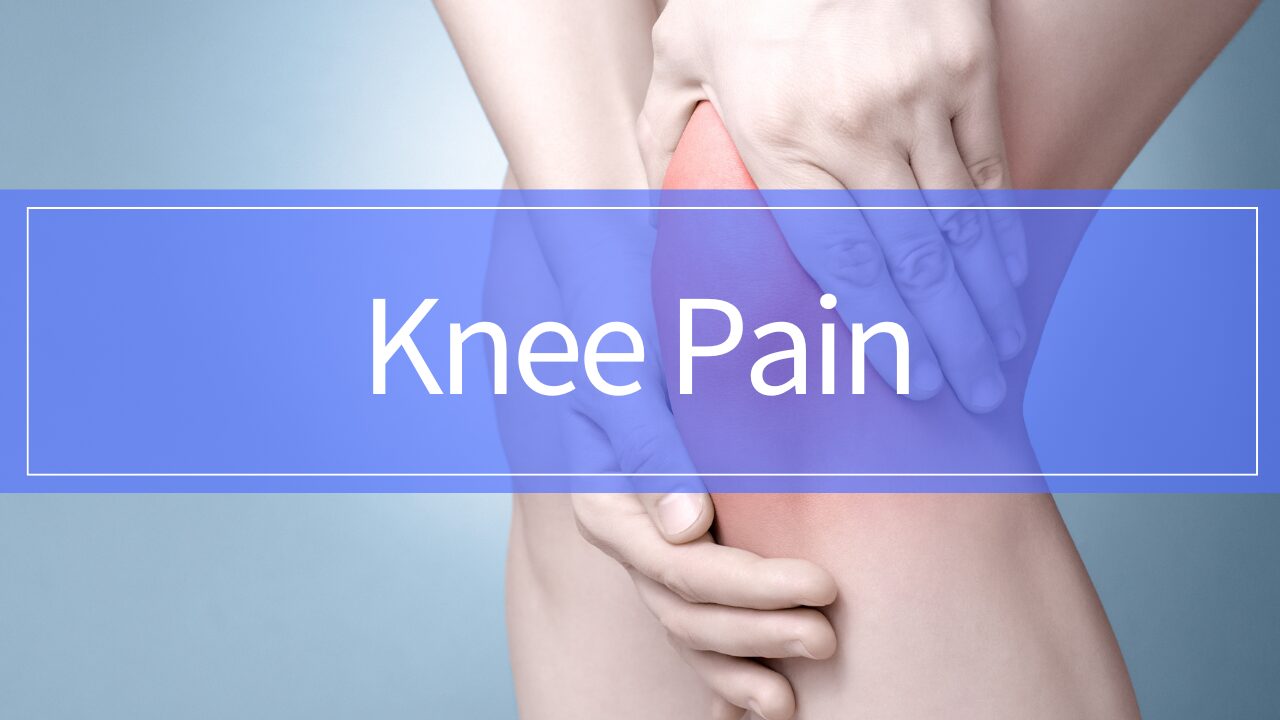
It’s fair to say the knee is one of the joints that most commonly becomes painful.
In orthopedic clinics, knee-related symptoms are often reported as one of the most common reasons for a visit.
The good news is that knee pain can often be narrowed down by how it started and where it hurts.
In this article, we’ll organize common patterns of knee pain and the conditions that tend to cause them—to help you understand typical symptom patterns and likely causes.
List of Common Knee Conditions
- Osgood–Schlatter Disease
- Pes Anserine Bursitis (Pes Anserinus Pain)
- Infrapatellar Fat Pad Impingement (Hoffa’s Fat Pad)
- Patellar Dislocation
- Patellar Tendinopathy (Jumper’s Knee)
- Sinding-Larsen-Johansson (SLJ) Syndrome
- Synovial Plica Syndrome
- Iliotibial Band Syndrome (Runner’s Knee)
- ACL Injury (Anterior Cruciate Ligament)
- PCL Injury (Posterior Cruciate Ligament)
- MCL Injury (Medial Collateral Ligament)
- LCL Injury (Lateral Collateral Ligament)
- Meniscus Tear (Medial / Lateral)
- Knee Osteoarthritis (OA)
- Symptomatic Bipartite Patella
Sudden-Onset Knee Pain (Clear Injury Moment)
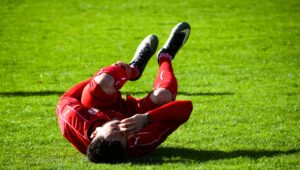
Here we’ll organize knee pain cases where you can clearly identify the moment symptoms began—such as twisting the knee during sports.
If You Twisted the Knee
- ACL Injury (Anterior Cruciate Ligament)
A significant ligament injury that often occurs during cutting, pivoting, or landing from a jump. Swelling soon after injury and a feeling of instability are common. - MCL Injury (Medial Collateral Ligament)
A medial ligament injury often caused by a valgus (inward) stress. Tenderness and swelling on the inner side of the knee may appear. - LCL Injury (Lateral Collateral Ligament)
A lateral ligament injury often caused by a varus (outward) stress. Lateral tenderness and a sense of instability may be present. - Meniscus Tear (Medial / Lateral)
An injury to the meniscus, which acts as a cushion inside the knee. Pain with bending and straightening, and sometimes locking, can occur. - Patellar Dislocation
The kneecap shifts out of place, typically to the outside. Swelling and instability are common. If it keeps recurring, surgical treatment may be considered.
-640x360.png)

This combined injury pattern is often called the unhappy triad.
If You Fell Directly onto the Knee
- PCL Injury (Posterior Cruciate Ligament)
Often occurs when a strong force hits the shin while the knee is bent. Pain in the back of the knee and a feeling of posterior instability may be present.
If the Knee Was Forced Into Hyperextension
- Infrapatellar Fat Pad Impingement (Hoffa’s Fat Pad)
Inflammation or irritation of the fat pad beneath the kneecap. Front-of-knee pain is often provoked when fully straightening the knee or with repetitive loading. - ACL Injury (Anterior Cruciate Ligament)
A major ligament injury that often occurs during cutting or landing. Swelling soon after injury and a sense of instability are common. - Meniscus Tear (Medial / Lateral)
Meniscus injury can cause pain with motion and may sometimes lead to locking symptoms.
Gradual-Onset Knee Pain (No Clear Injury Moment)
For more gradual, persistent knee pain, it can be helpful to organize symptoms by where they are felt: front, inside, outside, or back of the knee.
Front-of-Knee Pain
- Patellar Tendinopathy (Jumper’s Knee)
A common overuse condition in sports with frequent jumping. Tenderness is often felt from the lower pole of the patella toward the tibial tuberosity. - Osgood–Schlatter Disease
A traction-related growth plate condition most common in ages 10–15. Repetitive jumping and sprinting can make the area below the kneecap prominent and painful. - Symptomatic Bipartite Patella
A condition where the patella remains in two pieces and becomes painful during activity. It is more common in adolescents and young athletes. - Sinding-Larsen-Johansson (SLJ) Syndrome
A growth-related condition at the lower pole of the patella. Jumping and sprinting can trigger front knee pain. - Synovial Plica Syndrome
Irritation of a synovial fold (plica) inside the knee. Catching sensations with bending/straightening and medial discomfort are common. - Infrapatellar Fat Pad Impingement (Hoffa’s Fat Pad)
Irritation of the fat pad beneath the kneecap. Pain often appears when fully straightening the knee or with repetitive loading.

-640x360.png)
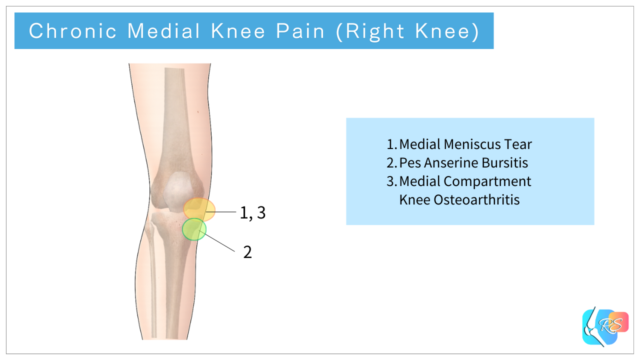
Inner (Medial) Knee Pain
- Medial Meniscus Tear
Injury to the medial meniscus, a key shock absorber in the knee. Pain with bending/straightening and occasional locking can occur. - Pes Anserine Bursitis (Pes Anserinus Pain)
Irritation around the tendons of the sartorius, gracilis, and semitendinosus. Tenderness slightly below the inner knee is common, and symptoms may worsen with stairs or running. - Knee Osteoarthritis (Medial Compartment)
Cartilage wear related to aging and repeated loading. Pain is often most noticeable when starting to move, such as standing up or beginning to walk.
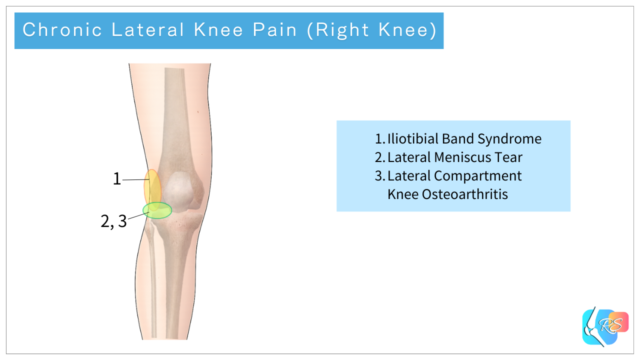
Outer (Lateral) Knee Pain
- Iliotibial Band Syndrome (Runner’s Knee)
Inflammation caused by friction of the iliotibial band against the outer femur. Common in distance runners and often worse when running downhill. - Lateral Meniscus Tear
Injury to the lateral meniscus. Pain with bending/straightening and occasional locking can occur. - Knee Osteoarthritis (Lateral Compartment)
Cartilage wear related to aging and repeated loading. Pain is often most noticeable when starting to move, such as standing up or beginning to walk.
Back-of-Knee Pain
- Muscle/Tendon Irritation
Pain related to irritation of tissues such as the popliteus, gastrocnemius, or hamstring tendons. Symptoms may worsen with sprinting, hills, or kicking motions. - Nerve-Related Symptoms
Pain around areas where the tibial nerve or common peroneal nerve runs. Tingling, numbness, or radiating pain may accompany symptoms.
Summary
We listed common knee pain patterns and the conditions that often contribute to them.
In future articles, we’ll cover each condition in more detail, including typical symptoms and rehab considerations.